One roll with... Widelux FVI


A panoramic adventure awaits all hobby photographers at some point. It takes different forms. I've been through a few as well; but I never had a proper panoramic-only camera before. I held the X-Pan in my hands back in 2019 yes, but that's about it. Recently I found an affinity towards vertical panoramas, and realized I do need a special tool for that. Well, I could manage with the 612 back, but the desires can be stronger.
The other day I passed by HKCamera, the same shop that sold me the Canon P which is still in my posession. Looking briefly for interesting LTM or Minolta lenses I noticed two Wideluxes on the bottom shelf at a very reasonable price (note: reasonable according to people who shoot film, definitely not reasonable to any normies). I know the eBay prices; this was less than half that, at 6000HKD. This or the Horizon was on my list for a long time as well... I set aside some cash and planned my return.
Specs
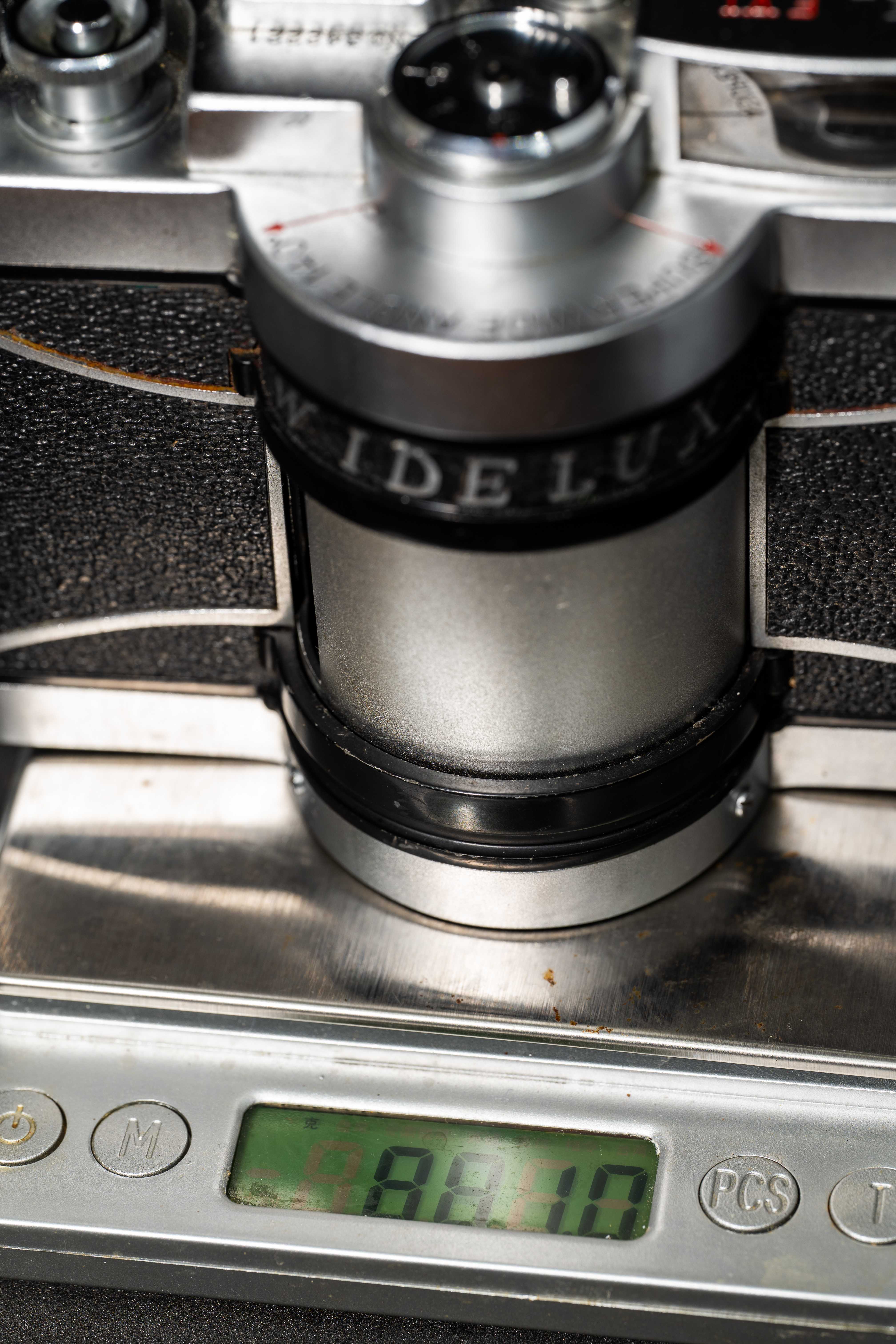
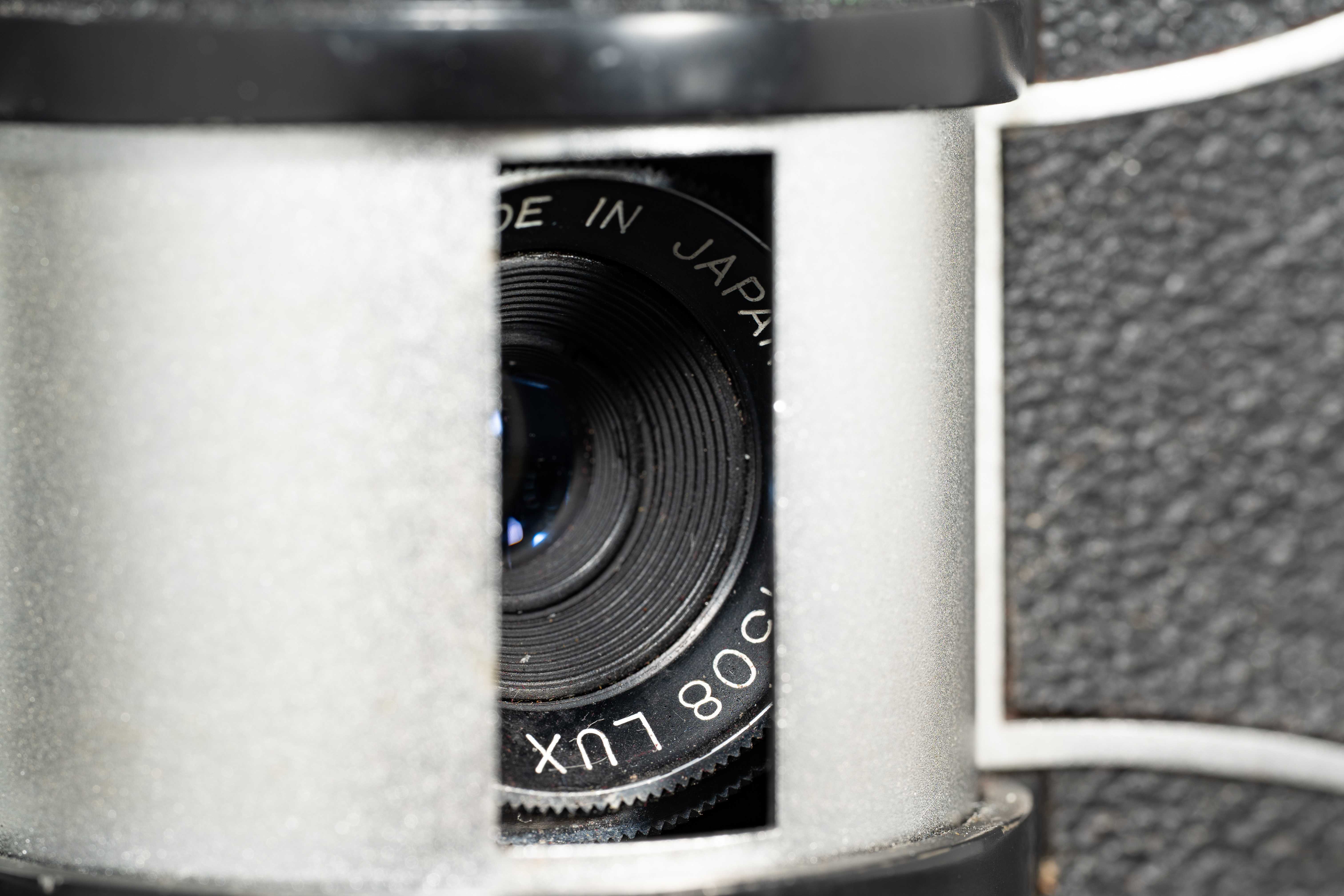
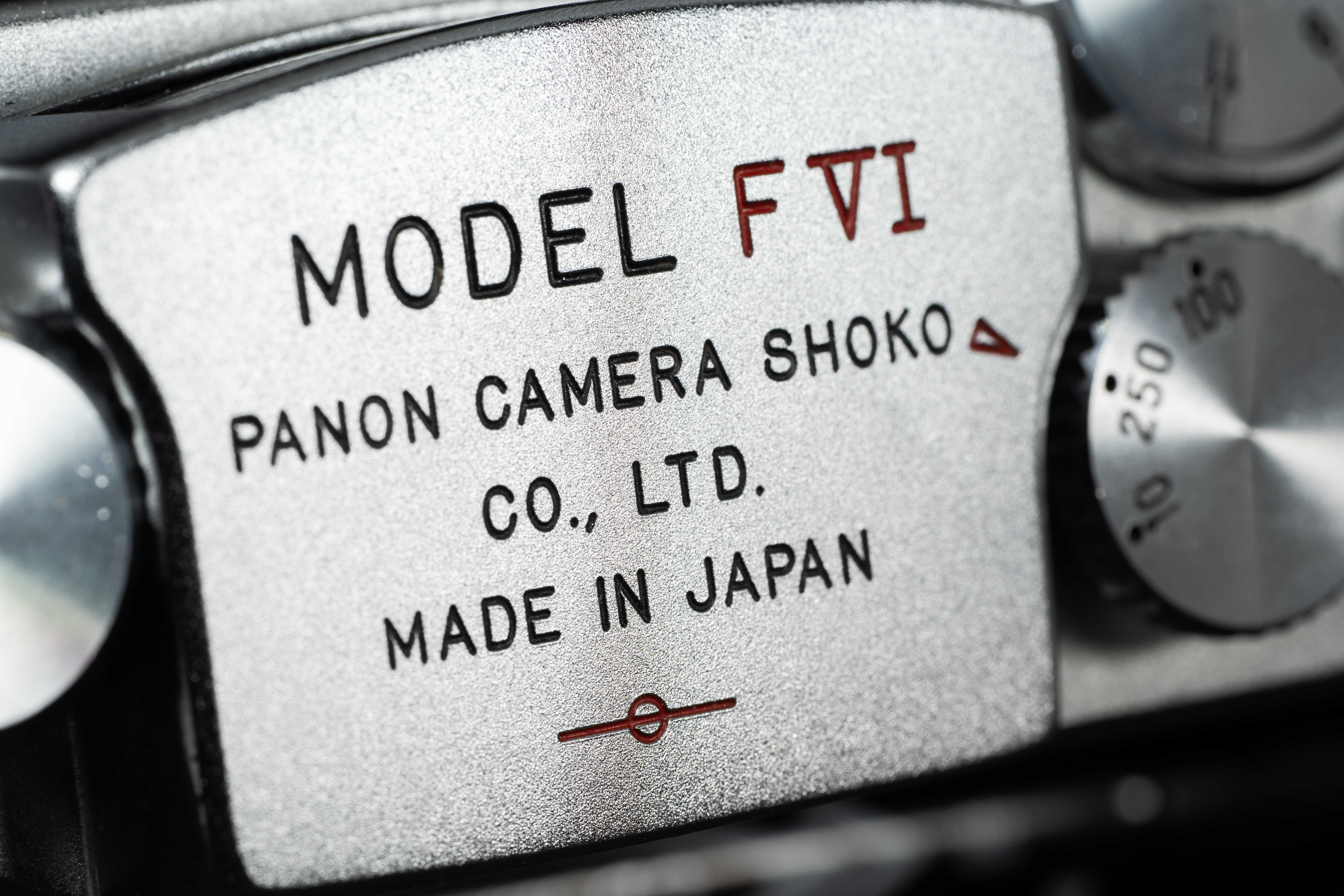
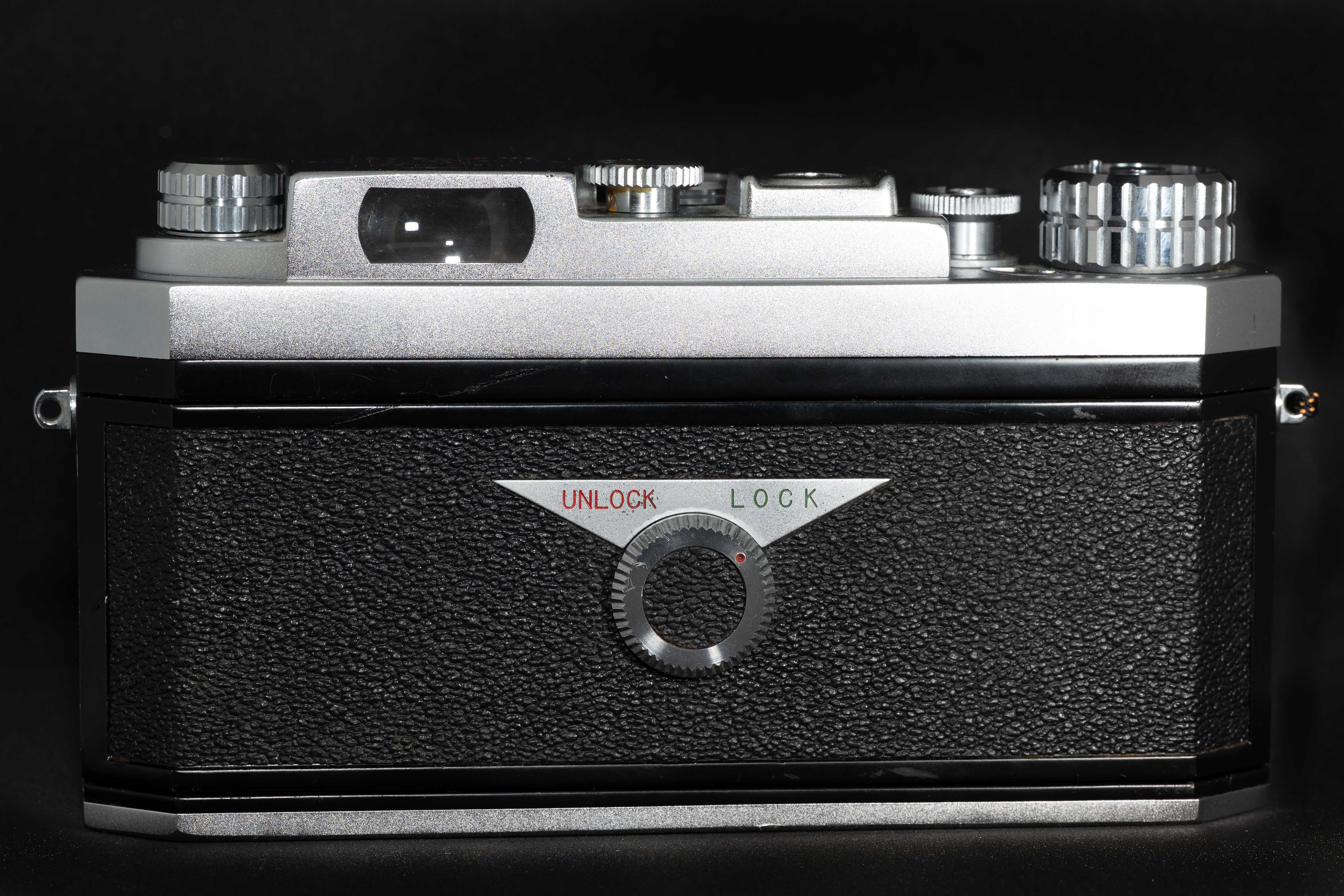
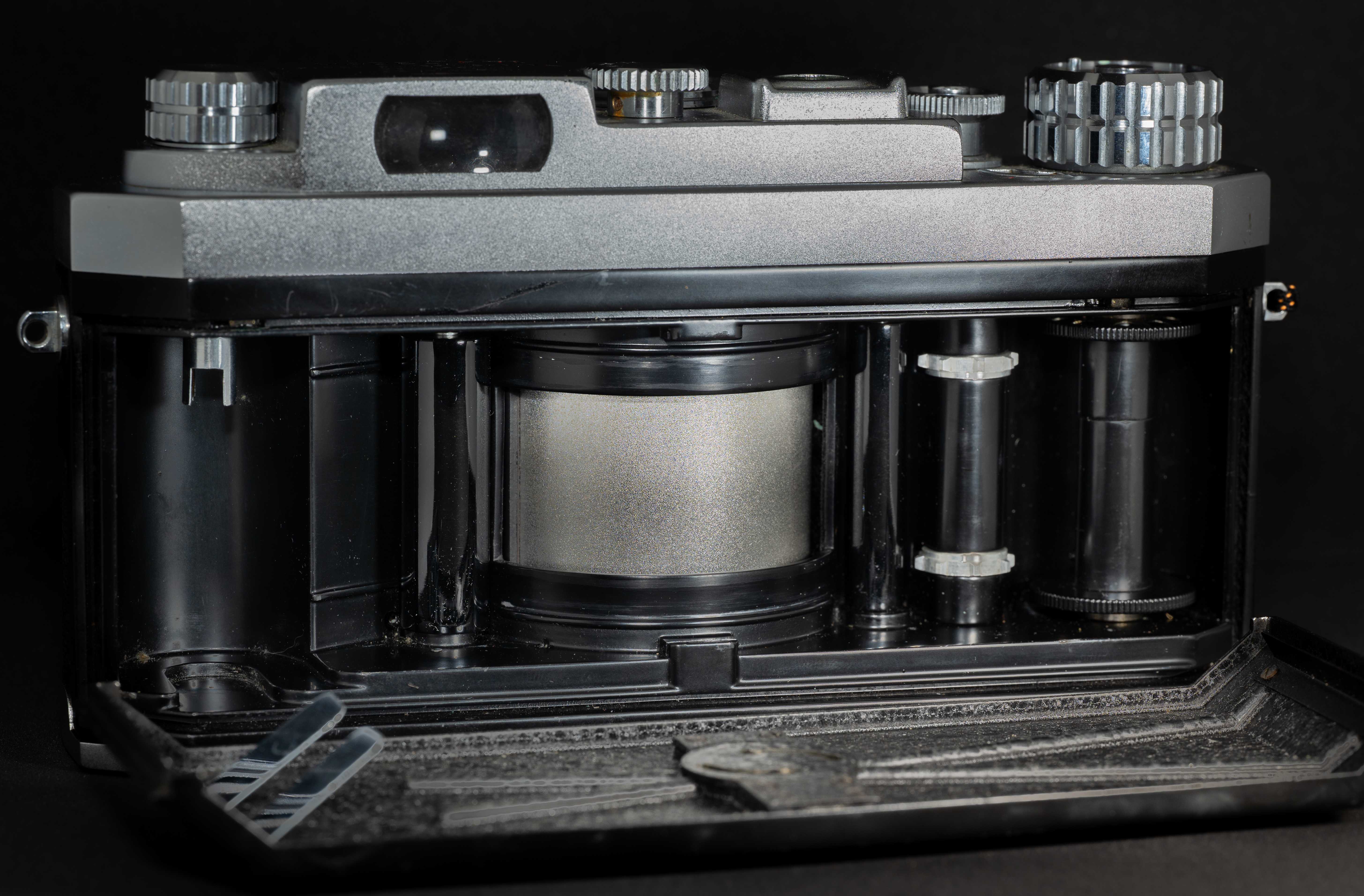
- Weight: 880g (no film)
- Film type: 135
- Frame size: 24x59mm (a lil less than X-Pan, fool frame pano)
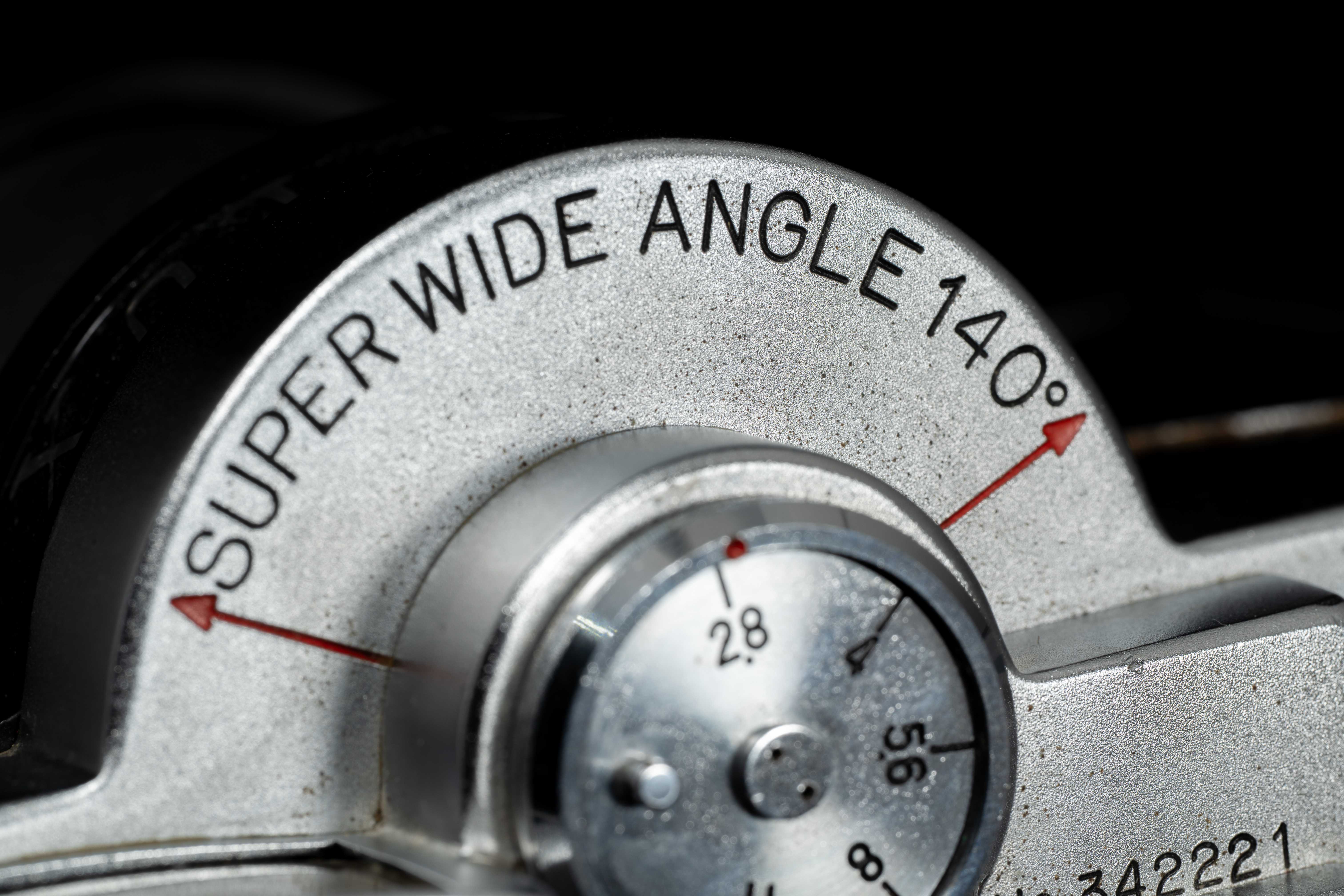
- Lens: 26mm f/2.8
- Shutter: Focal plane drum
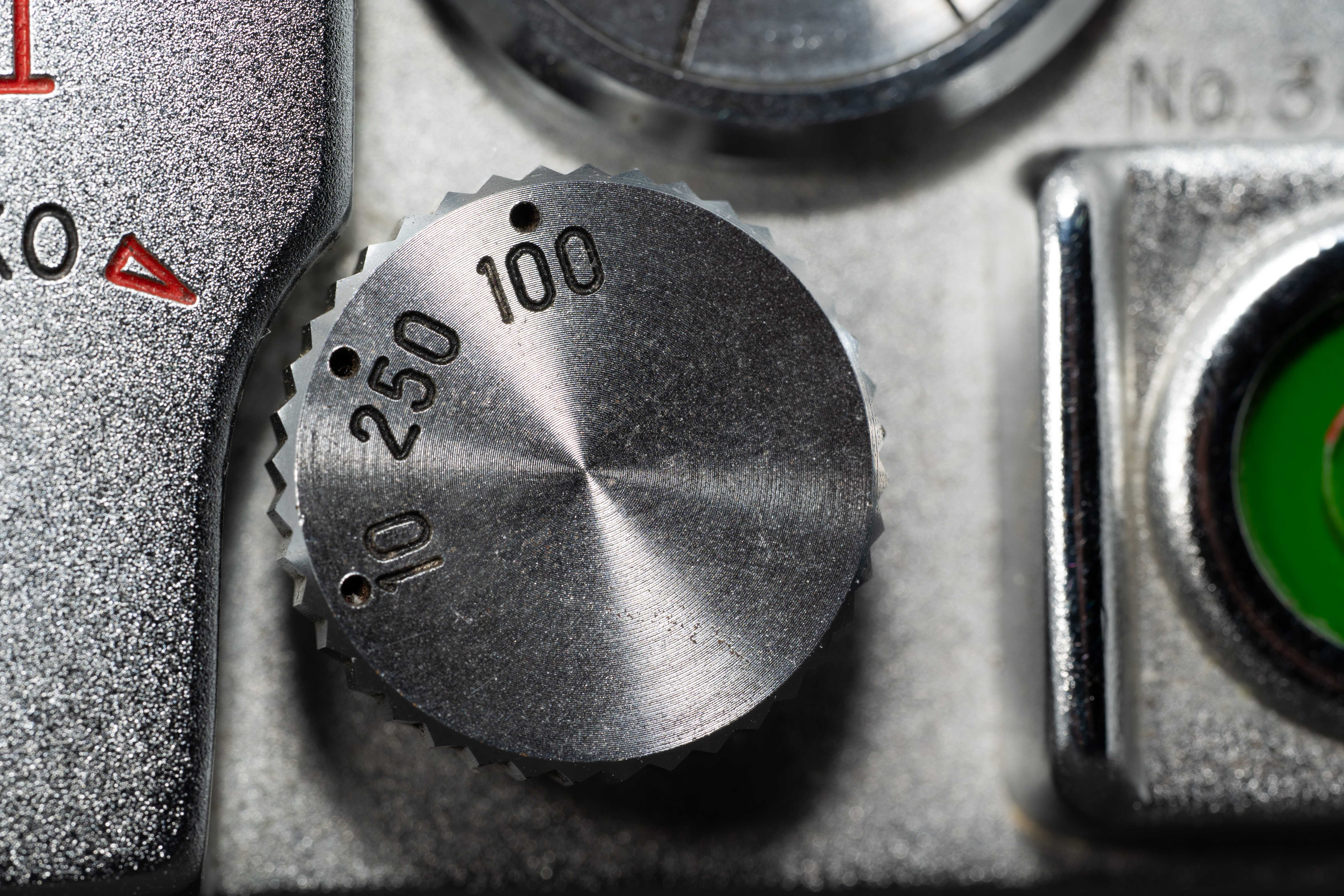
- Shutter speeds: 1/10, 1/100, 1/250 (equivalent)
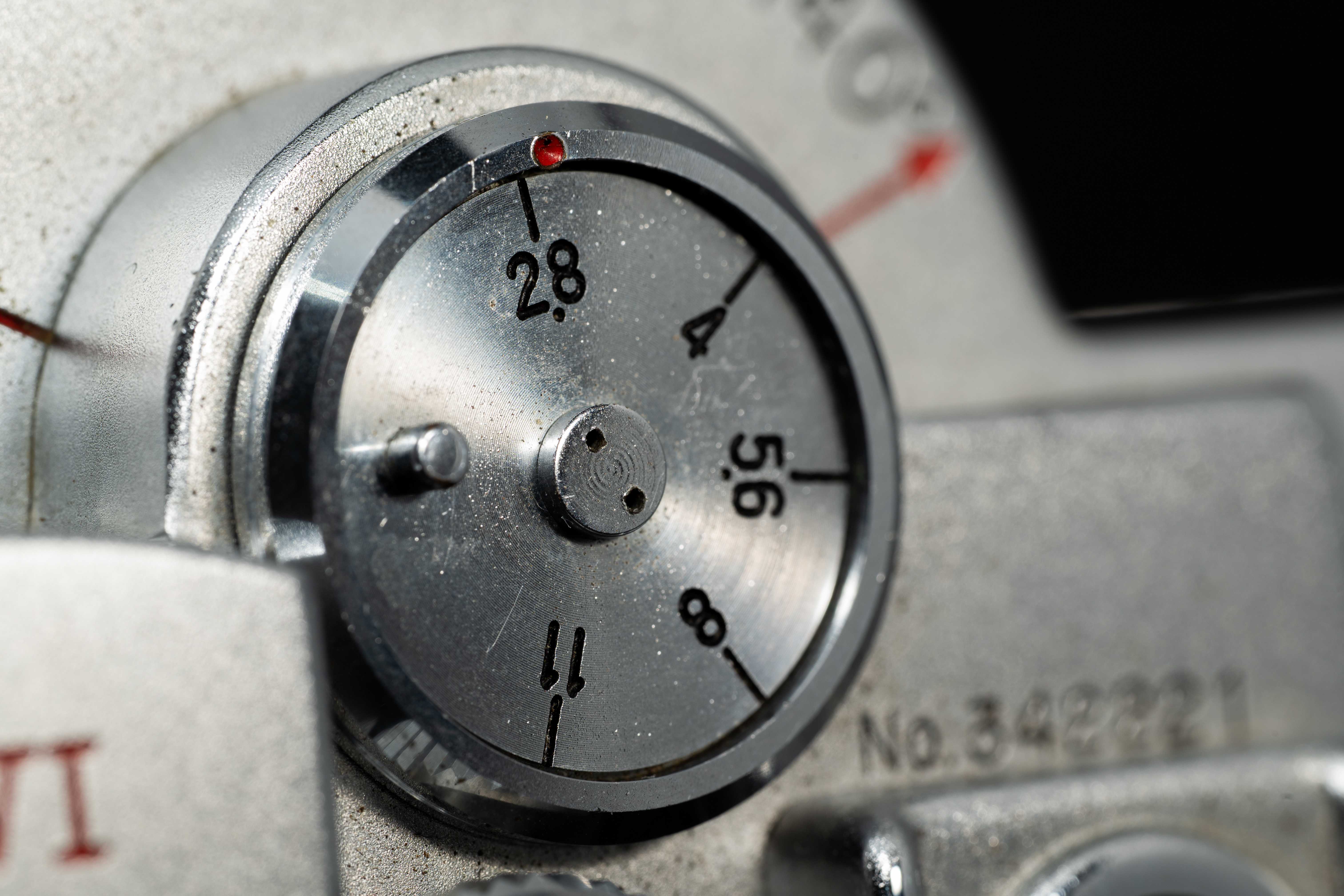
- Aperture: f2.8-11
- Focusing: No, fixed focus at 5m, DoF depends on lens, min. 0.7m at f11
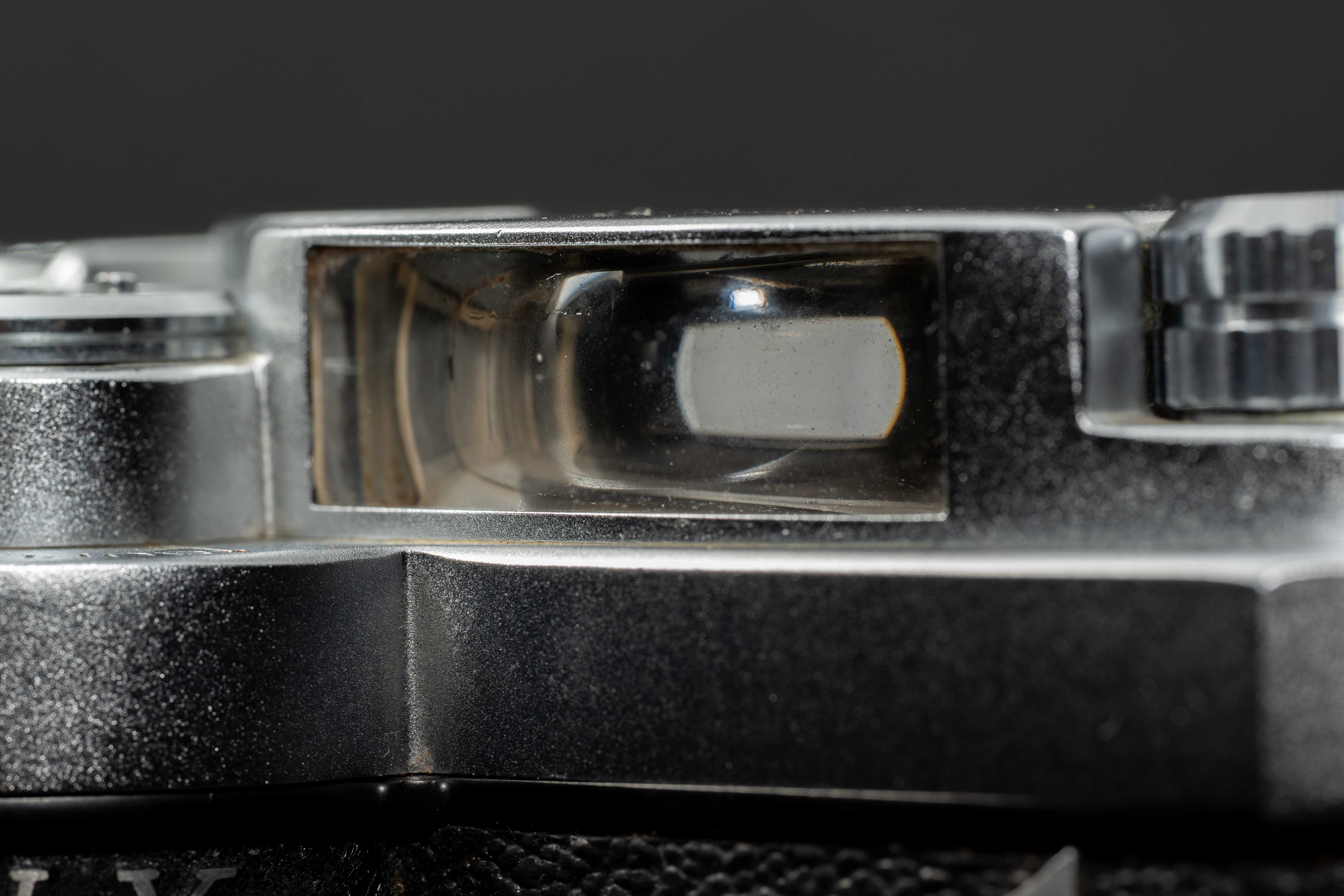
- Viewfinder: Optical, covers 90% (yeah right), or arrows on the lens
- Filters: Special mounting system
- Metering: No
- Original price (1959): 74500 JPY
Model differences
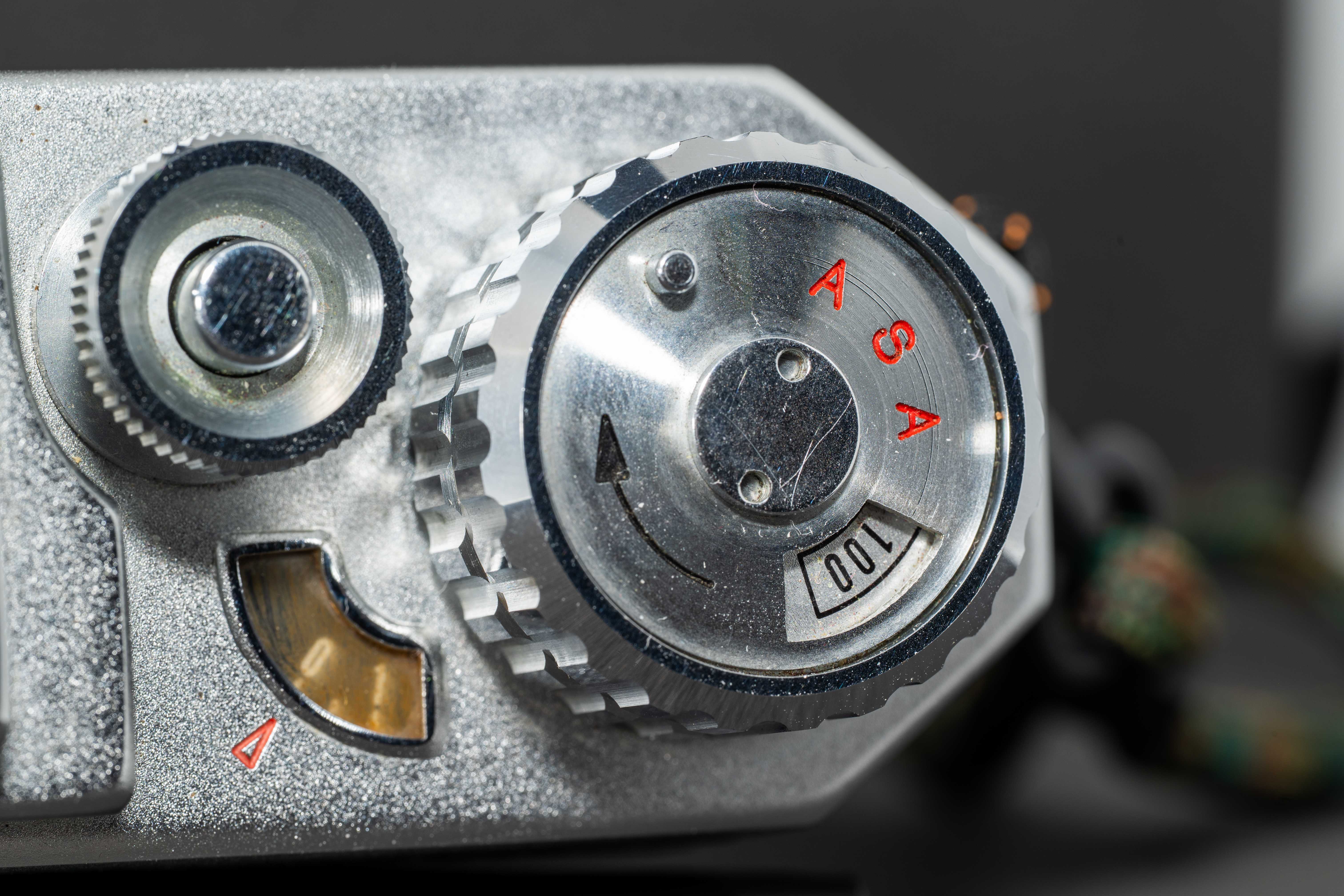
All Panon Widelux cameras have the same mechanism, body is roughly the same as well. The later (F6+) models have more modern shutter speeds of 1/15, 1/125 and 1/250; the older (FI, FV) ones - 1/10, 1/100, 1/200. Mine is exactly in between, with the fastest speed updated. I actually like it; a bit slower slowest speed can be adjusted with aperture, but you can't go faster.
The first Widelux had a different lens (Vistar, rather than Panon in later models) but I haven't found any information on the lens diagram; besides, that one's really rare and barely shows up.
Wikipedia claims the biggest difference is in gearing improvements - I believe that, although given how a Widelux from the 60s is still swiveling freely today, I am not sure how much of an improvement is that.
The takeaway from this is that regardless of the model you're getting the same experience with minute details. F7 and F8 are in black only if you're a fan of that; I usually am, but I don't mind the chrome look.
First impressions
Jeez, what a brick. I kind of expected it though. It feels solid in hand and obviously no expenses were spared. But it's a beautiful brick. I'd use it for the front of the house rather than basement.
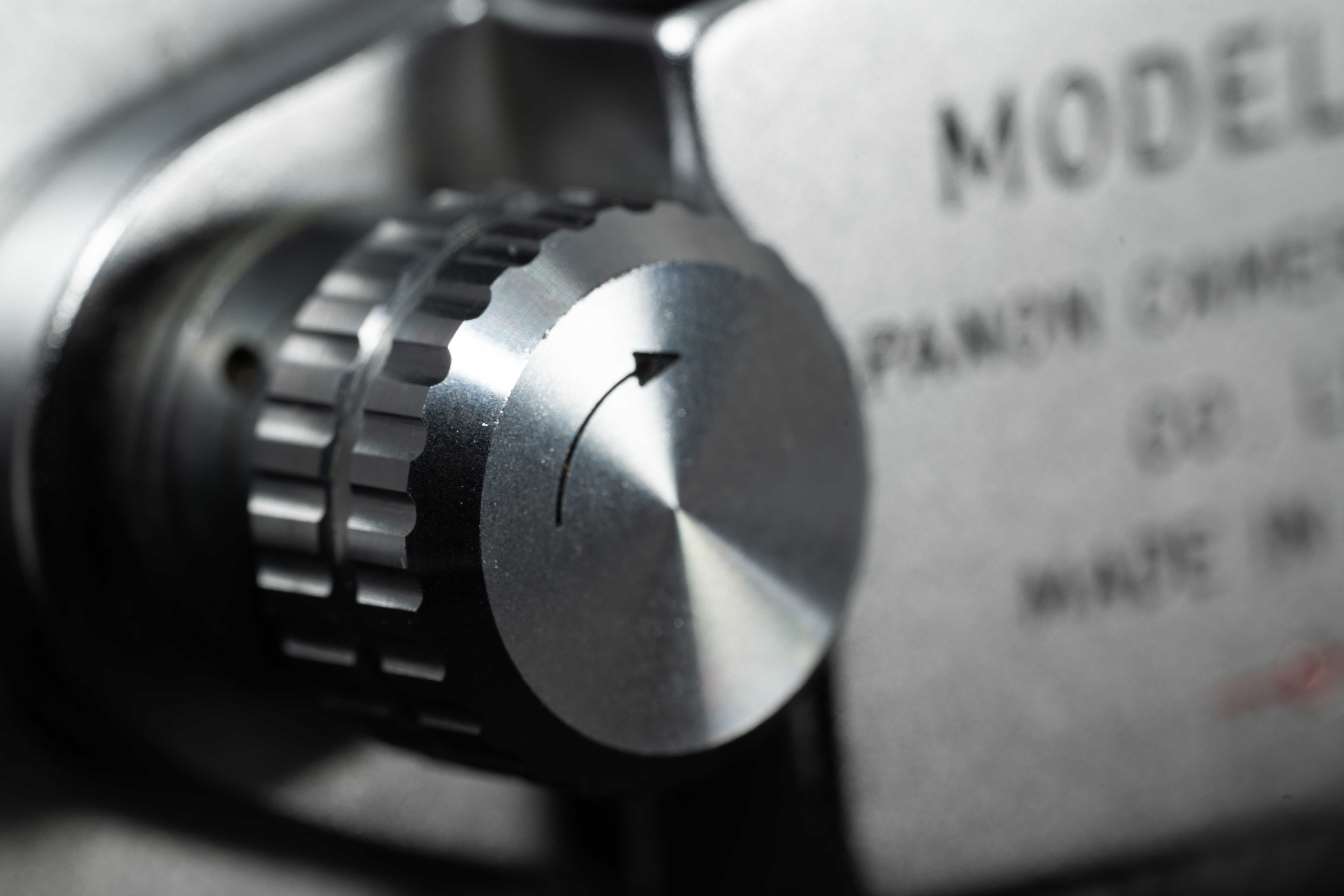
Rotating the advance level is a long process, but every movement feels great and makes very satisfying sounds. I'd say this is Leica level... no, that's too low; this is Canon P or Nikon F2 level of mechanical precision. With every rotation the lens assembly also swivels to the other side, ready to swing back when shutter releases.
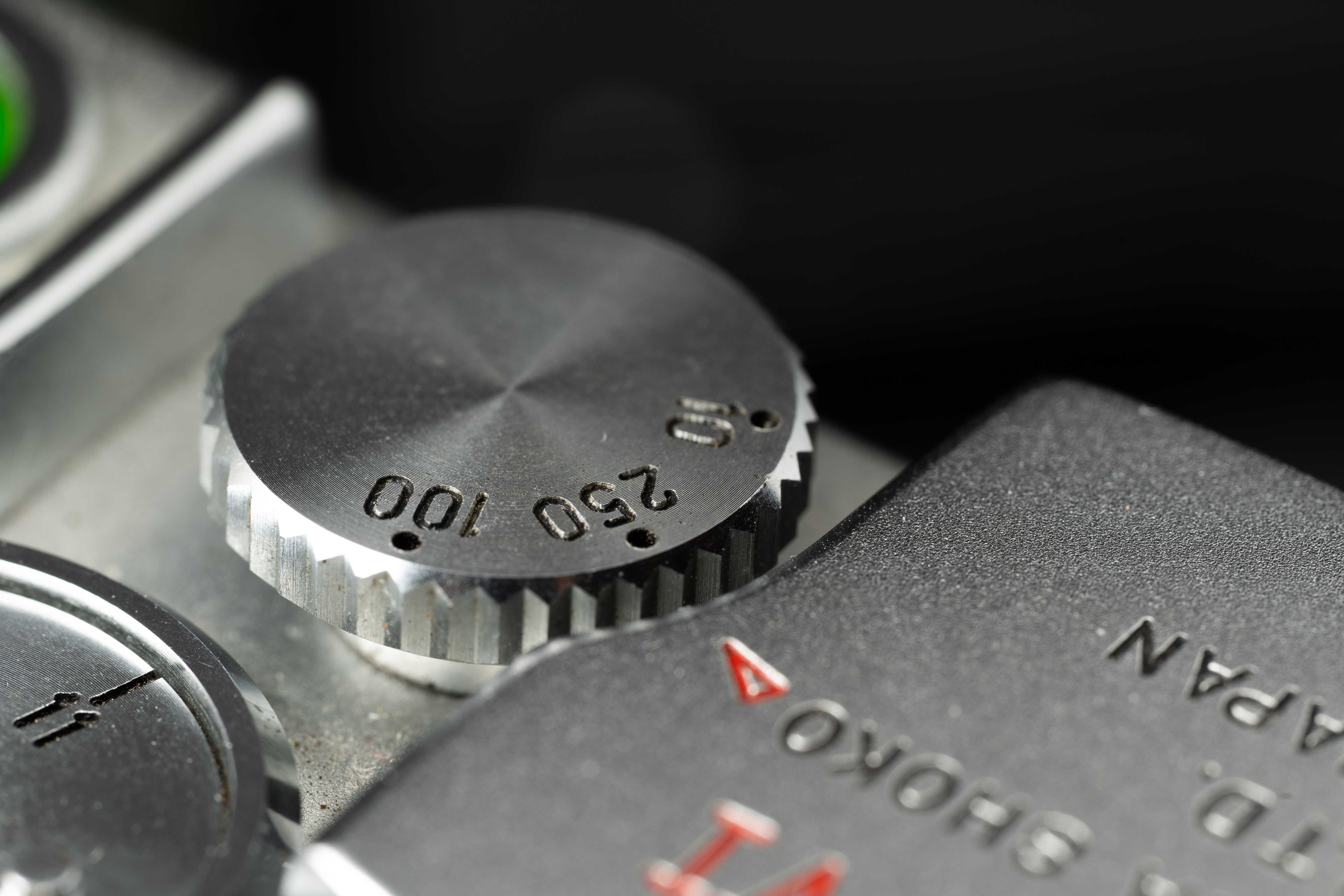
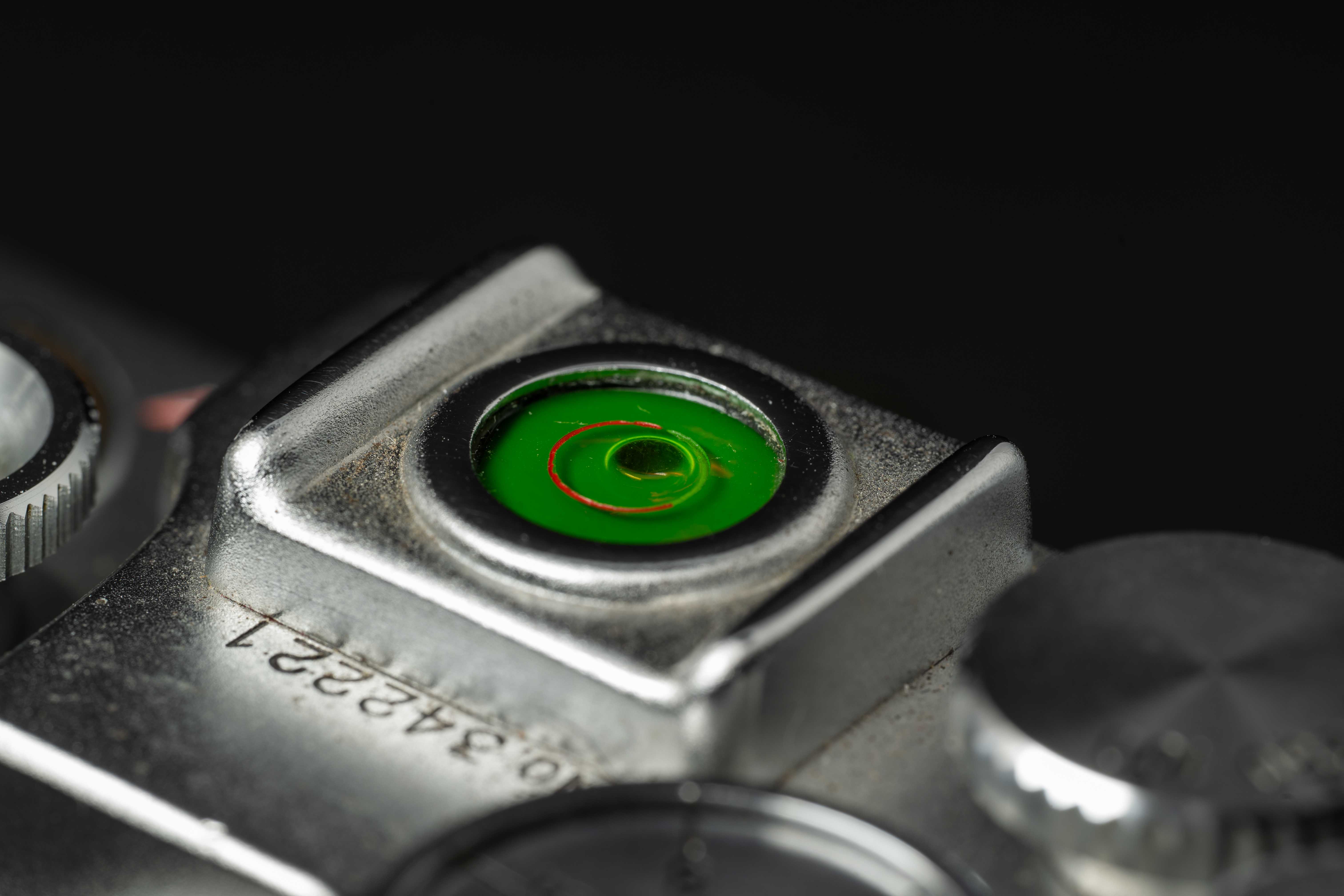
And the shutter release makes a sound that's very uncameralike. A wheeze, at a chosen speed. More of a mechanical toy. It's all very satisfying. Every part of this device was meticulously machined with incredible precision and it shows. The bubble level that looks like a cold shoe at first glance is just the cherry on top.
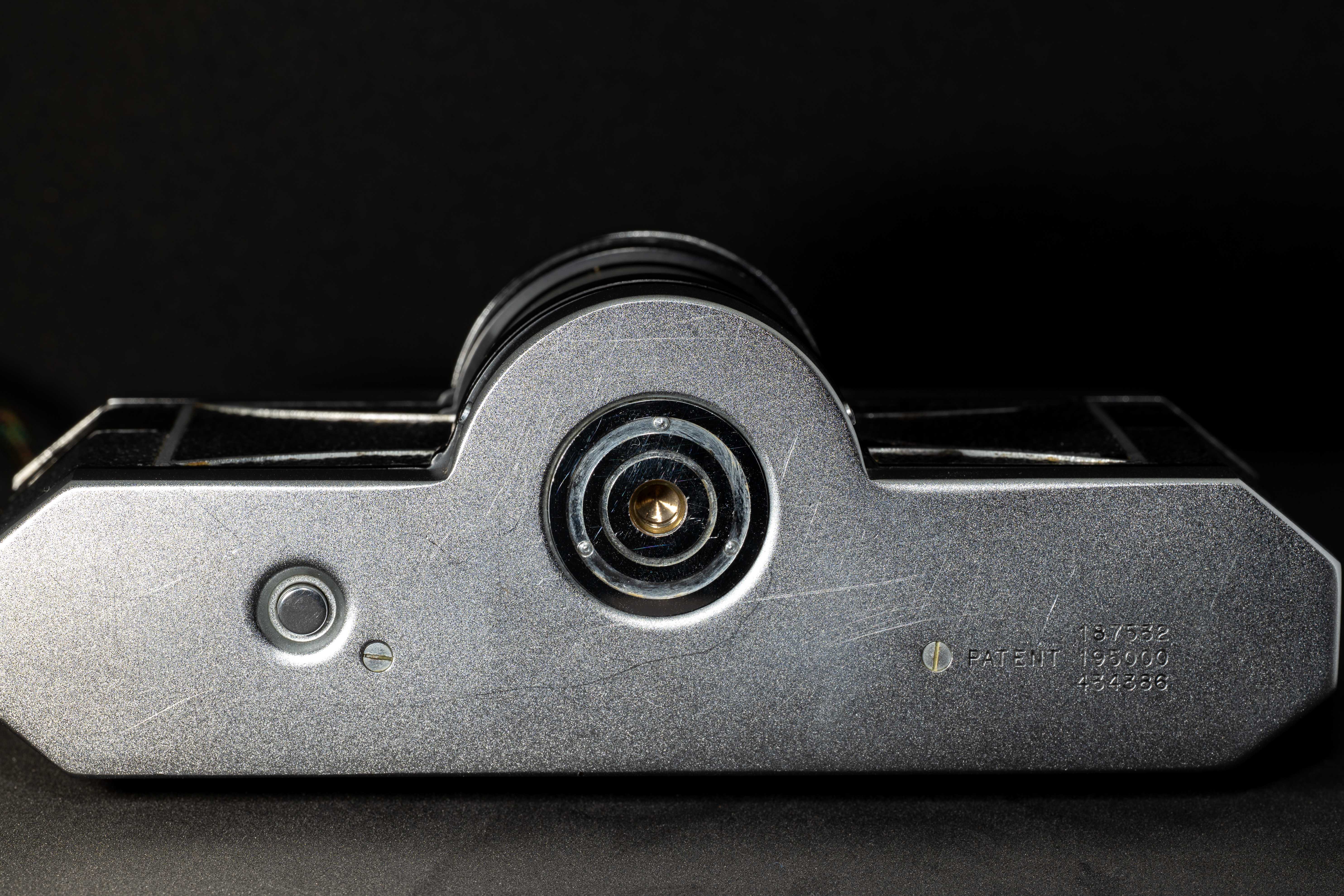
The shutter button is of a Barnack or Nikon type, so no typical screw in cable releases. Obviously, Panon was inspired by the best camera system in the world (Nikon F) If you have the shutter cable, you have to unscrew the collar, and screw in the cable release. Feels like this camera was made to be shot by hand, even if the slowest shutter speed takes over 2 seconds to swing.
Oh yes, important note if it wasn't obvious - the shutter speeds are equivalent, to be used with a light meter; that's how long each slice of film is exposed for. But the drum movement takes more time. 1/10 takes around 2.5 seconds, 1/100 and 1/250 under a second. Doesn't matter how long exactly, just keep still.
The controls are very barebones. The aperture wheel is clickless and rotates alongside the lens. There's a viewfinder on the left side, and the rewind wheel as well. On the bottom you'll find the rewind button which must be held down during the rewinding process. This is the only part that's very uncomfortable, rewinding takes a lot of force. But don't be like me and try to rewind without pulling the knob - it has three positions, rest, up for rewind, and even higher for pulling back the fork.
Quirkier than a lady with blue hair
I chatted with the owner of the shop for a bit; he was a big fan and had three: FV, FVI and F7. The F7 was sold, the FVI I was buying then. FV is still for sale at 6800HKD with the original case. He liked them a lot and had some cool photos to show. Very inspiring!
He warned me not to put the fingers on the front of the camera, or they'll end up in the pictures. That loading film is tricky as well, since you have to thread it behind rollers, so the film is stuck to the drum. And the last piece of advice - cock the shutter first, then change the shutter speeds. Not something I'd think of much and probably I'd do it anyway, but it's good to remember that. At infinity you're supposed not to have any distortion according to some Japanese catalogs, but up close you'll get some for sure.
There's a Flickr group and you can read some threads that don't have much information. There's the risk of banding, viewfinder isn't really reliable, all that.
There's also a site with some tips that gets linked quite often, with a note "yes, that Jeff Bridges". I think at this point I have to link it as well - https://www.jeffbridges.com/tipsonwidelux - yes, that Jeff Bridges of Widelux fanatics and hopefully upcoming revival. He's also an actor or something, or so I've heard, not sure, I know him only because of the Widelux hype.
I'd say you're more likely to learn more from these third party sources than the official manual which is very barebones.
I have nothing else to add, really. Feels like you need to go through a checklist (or memory items) before every picture, but it feels natural after a while. Feels limited, but you can leverage the limits for your creativity.
Revolving Possibilities
The obvious goody two-shoes way of operation is standing straight, with bubble level perfectly centered, and tripod, stopped down, aimed at infinity. And it's a mighty tool for that and while I get acquainted with it, that's gonna be my way to go.
But it's not difficult to start imagining... what if you moved while the lens is rotating? That actor guy himself had some photos with the subject smiling in one moment, then the camera was swinged back and captured the same person with a frown. Check the behind the scene footage on how to do it.
That's one possibility. Another photo I saw was with the camera rotating normally to a point, and then movement to follow the camera, recording the same slice on the remaining film, "stretching" the subject.
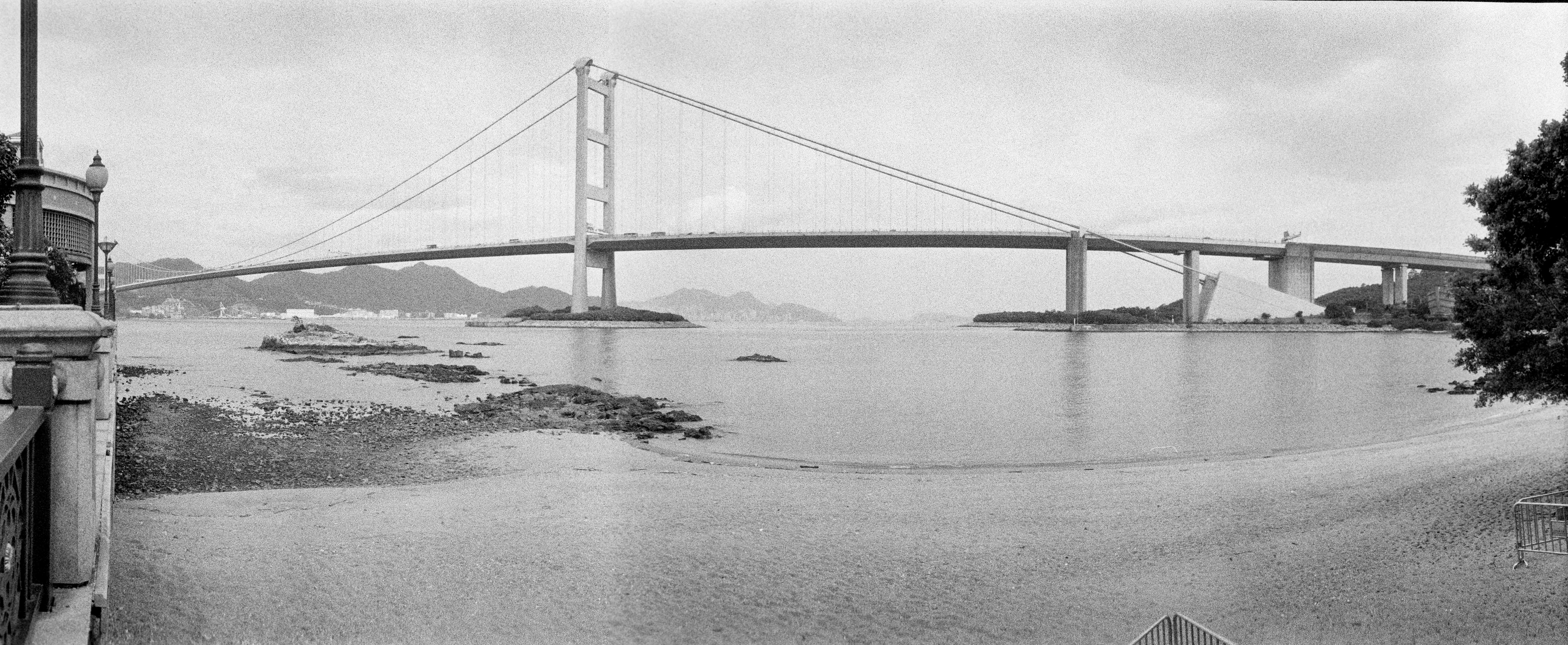
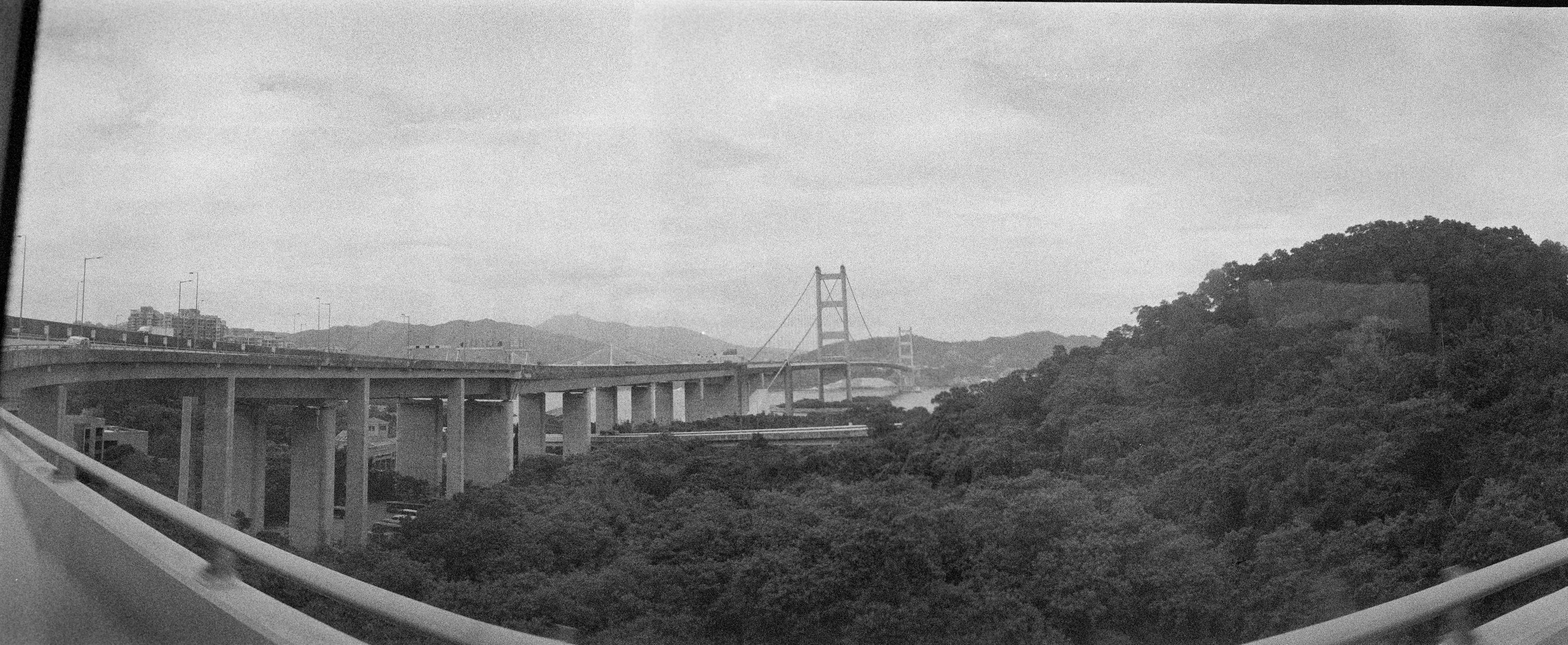
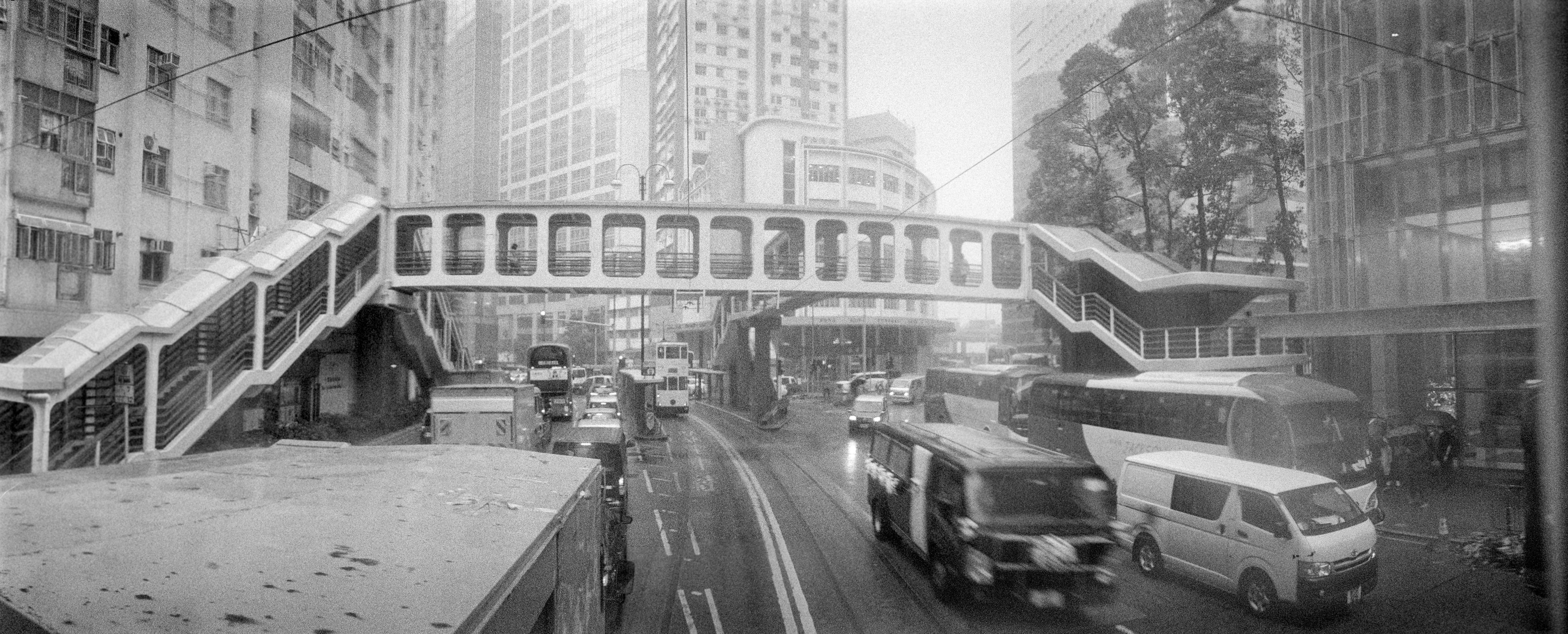
I'm very keen to experiment with that. First roll though was dedicated to testing for banding and having some fun, and damn it is fun. Even boring slices of life feel more cinematic in panoramic format.
Image quality (non-autistic)
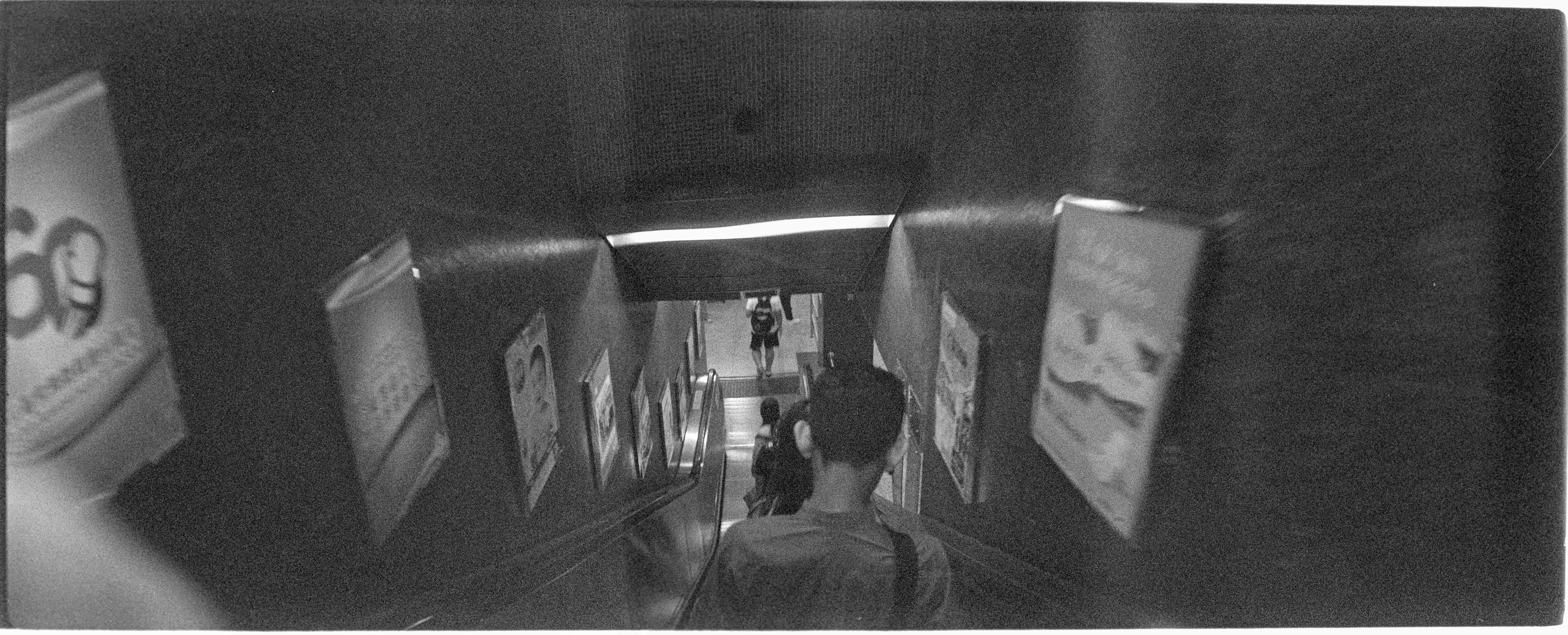
That's hard to judge. It feels quite sharp, but the depth of field is limiting. On the other hand if you're not looking for the sharpest image and some blur can work, at 26mm f2.8 it's not that bad even at 3m for an environmental portrait.
Or even in the MTR, you can get an interesting shot as well.
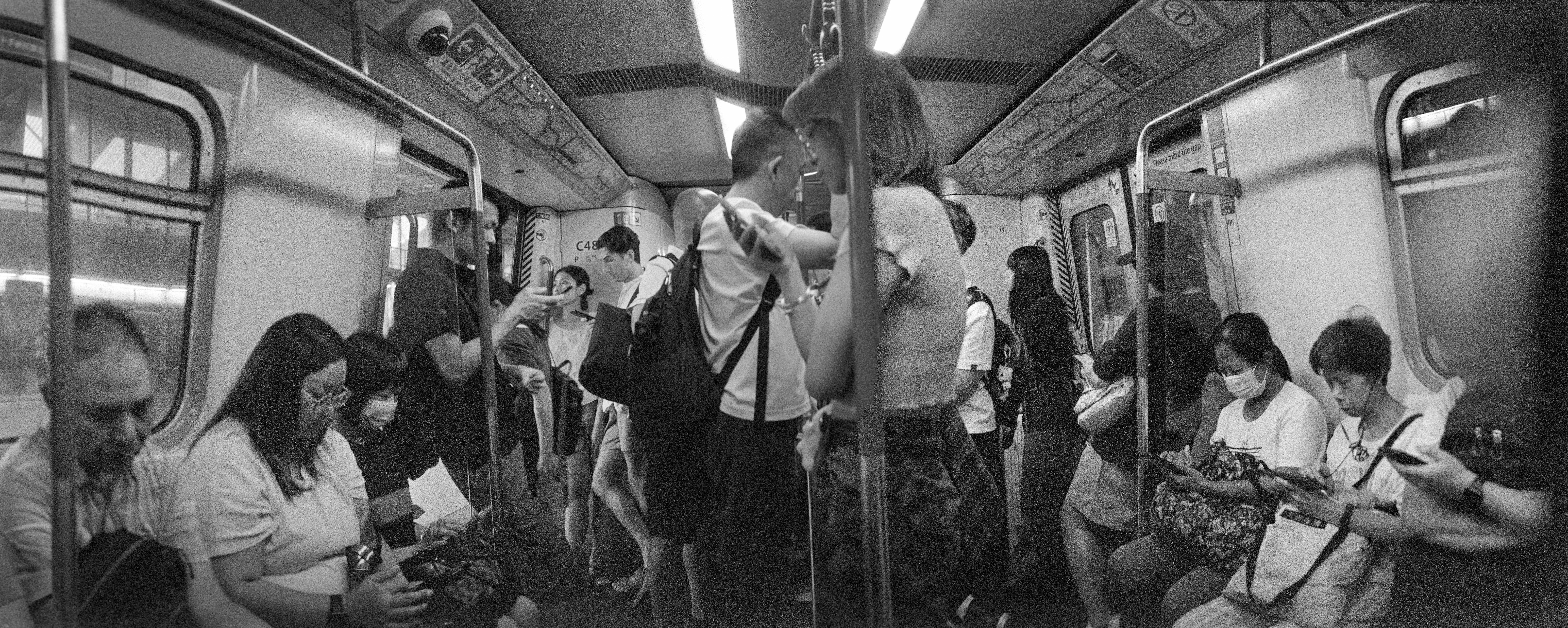
The distortion can be pretty heavy for a flat surface that's not far enough - far worse than the viewfinder would suggest. My advice is... embrace it! (And remember to not put your fingers in the frame)
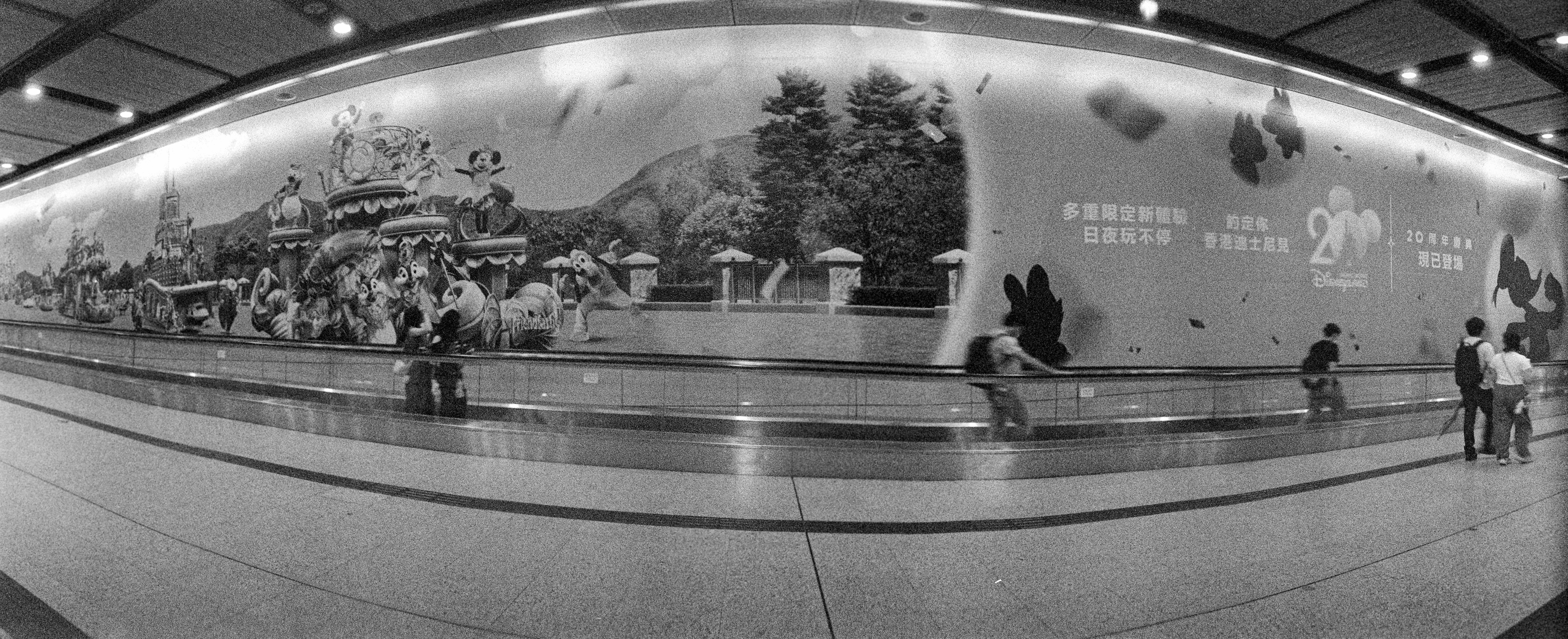
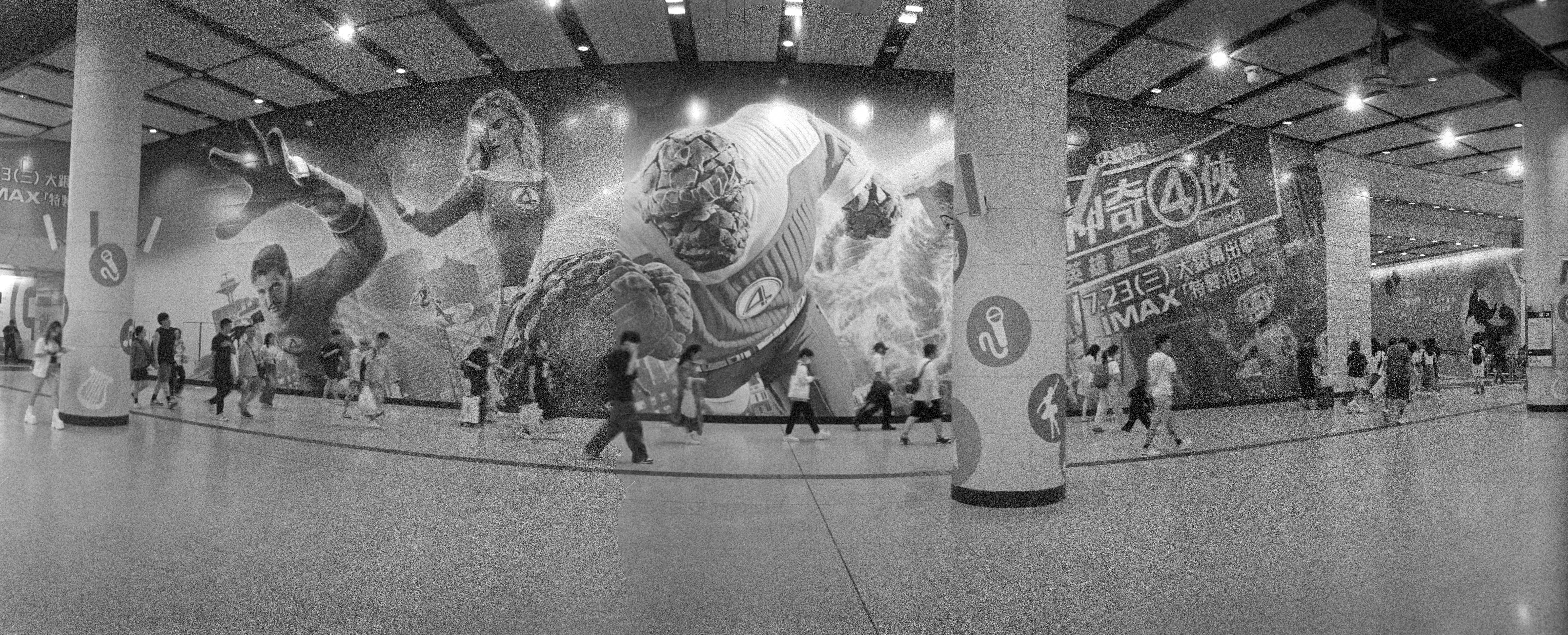
I can't give you an autistic overview due to limited shutter speeds and the fact that I cannot check the lens itself on digital. To be completely honest, the construction of the shutter is absolutely genius from the IQ perspective. You don't need a big image circle and the only vignette is on top and bottom - and it's at very low levels, not noticeable. The sharpest part of the lens, its center, is in there for the whole image. I would only expect sharpness falling off in the top and bottom, but even that isn't too bad, given how little vignette this lens produces.
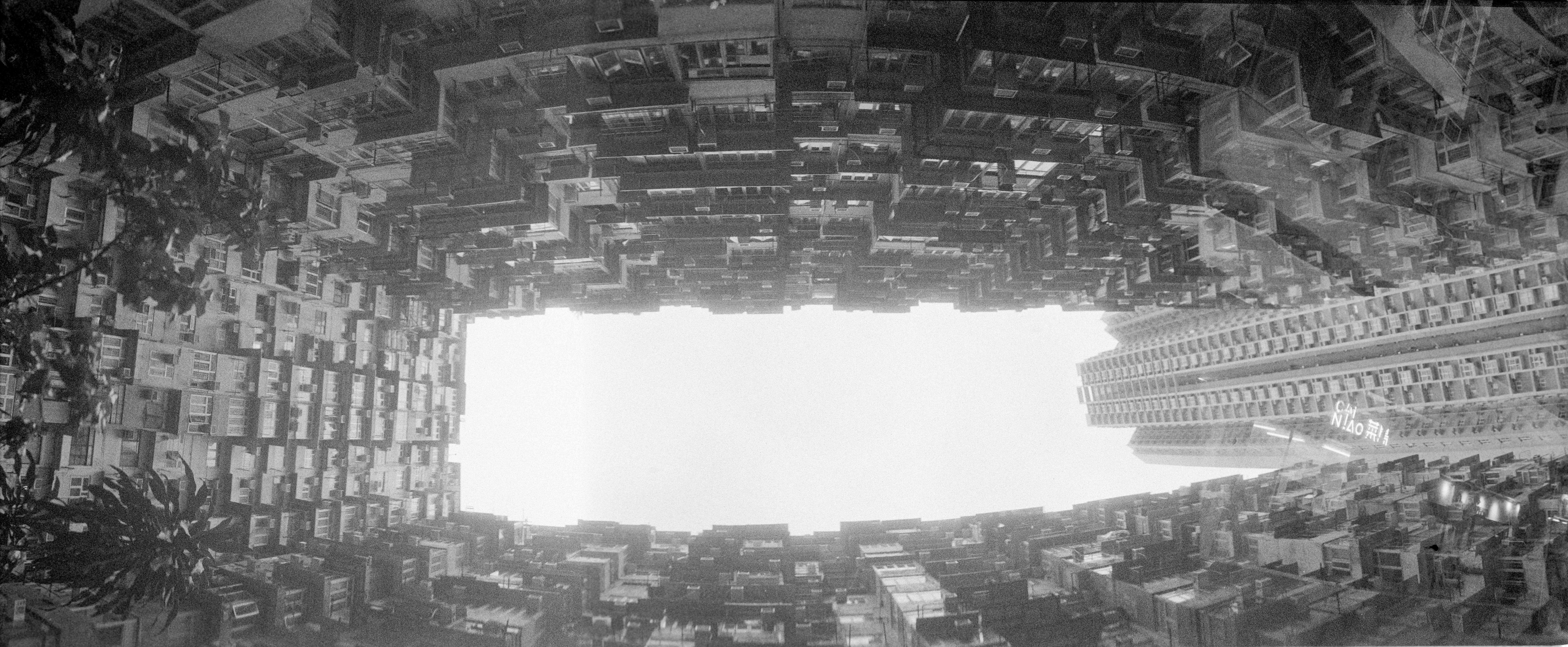
If I were to guess, the 26mm lens would probably cover half frame, but I cannot find any information on it and I'm not keen on disassembling the camera to find out.
Rating
Kind of forgot I have to do this one. It's a very specific toy. It's damn fun, the lens is reasonably sharp, but it also has a high skill requirement to use. It's not gonna replace your main shooting kit - panorama only, no changeable lens, no close focus, and quite limited at that; but it's not supposed to. X-Pan could, on the other hand, with the frame size switch function.
Would I take it traveling? That should be pretty exciting. Just not the greatest for casual shots.
Have you enjoyed the post or found it useful? Consider throwing some currency using the button below or directly through Ko-fi.
If you like a photo from here enough that you'd like to have a print of, feel free to contact me by email.
This page will never have ads, sponsors or any other annoyances; I believe in the Old Internet Spirit. It does mean though that it's all shot and written in my spare time which is limited at times.